What to Know About the Dental Crown Process
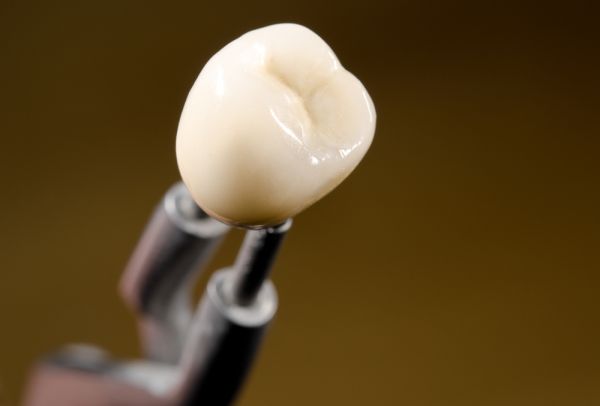
A dental crown is a protective cap a dentist places on the tooth to either mask physical impairments and improve its aesthetics or protect and restore the tooth’s function after significant structural damages. The process of getting a dental crown is simple, but there may be certain adjustments based on the patient’s preferences.
Getting a dental crown
Before getting a dental crown, the dentist will examine the teeth to know if a crown is necessary. Sometimes a tooth may be overly damaged to hold a crown. In other cases, additional treatment such a root canal may be required first.
During the initial consultation, the dentist will allow the patient to choose from different dental crown materials – typically metal, ceramic, amalgam, zirconia, porcelain-fused metal, and composite resin. All these materials have their advantages and drawbacks.
Placing the crown
The first process is to prepare the tooth for a crown. The dentist will start by numbing the tooth and surrounding tissues. This is not often needed, especially if the tooth has undergone a root canal to remove the nerves, but it makes the treatment more comfortable.
After applying local anesthesia, the dentist will use gingival retraction chords to separate the gums from the tooth. This is to prevent damages to the gum and allow them to trim the tooth enough. After using the retraction chords, the dental expert will start shaving down the tooth. The reason is that crowns are usually thick to ensure strength. The type of material to be used will determine how much trimming will be done on the teeth. Metal crowns are slightly thinner than porcelain crowns, which means less trimming is required.
The trimming will ensure that the crown fits appropriately. Often, they may need to build up the teeth, especially in cases of severe decay. The dentist will apply a filling material to ensure the tooth has enough structure to support the crown.
Taking an impression
After shaving down the tooth, the dentist will take an impression of the upper and lower teeth. This impression, along with the preferred color, will be forwarded to the dental lab where the lab technician will create the crown. The dentist may also use optical impression, where a camera will be used to scan the teeth to obtain digital information to produce a 3D dental crown.
Placing the crown
While the dental lab is making the permanent crown, the dentist will place a temporary crown (usually made from composite resin or metal) over the teeth to protect the area. The temporary crown is less strong and will be removed as soon as the permanent crown is ready.
Making a permanent crown takes about 10 days, after which the patient will return to the dental office. The dentist will remove the temporary crown and check the fit of the permanent crown. They will place the crown on the tooth and make any necessary adjustment until the fit is perfect. After that, the dentist will cement the crown into place.
Final note
Mild discomfort is common after getting a dental crown, but that should disappear in no time. If any issue arises, inform your dentist immediately.
Request an appointment here: https://www.oaktreefamilydental.com or call Oak Tree Dental at (703) 945-1285 for an appointment in our Ashburn office.
Check out what others are saying about our services on Yelp: Read our Yelp reviews.
Recent Posts
Cosmetic dental services offer a range of treatments to help individuals enhance the appearance of their smiles and boost their overall self-confidence. While some of these procedures can be expensive, many patients consider them a valuable investment in their future oral health. The following article explores the benefits of cosmetic dental services and whether the…
When exploring cosmetic dental services, professional teeth whitening often stands out as a popular option for achieving a brighter smile. While over-the-counter products promise convenience, cosmetic dental services from a professional offer effective solutions tailored to individual needs. Understanding the differences between dentist procedures and over-the-counter whitening options helps patients make informed decisions about their…
Cosmetic dental services provide a wide range of modern solutions that brighten enamel, refine tooth shape, and align bite mechanics while preserving overall oral health. Selecting the right cosmetic dental services requires clear goals, professional guidance, and realistic expectations about maintenance. With thoughtful planning, every patient gains a radiant, balanced smile that elevates confidence during…
Cosmetic dental services aim to improve the appearance of the teeth while supporting overall oral health. One of the most sought-after options in this category is dental veneers, thanks to their ability to dramatically enhance the smile with minimal intervention. Veneers offer a long-lasting solution to a wide range of cosmetic concerns, making them a…