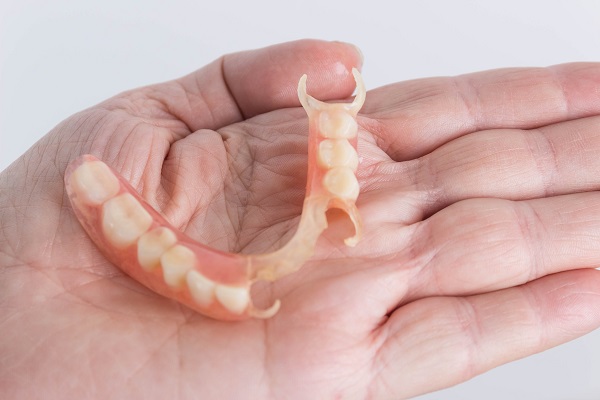
Partial dentures are a popular replacement option for missing teeth. You could potentially benefit from them if you have lost some of your permanent teeth, but there are still some healthy ones that remain in the jaw. Your dentist can explain if you are a candidate for partials. If you are, you should learn all you can about them before you decide.
Common questions about partial dentures
If you are thinking about partials, you probably have many questions about them. Here are some of the things that people typically want to know.
Who qualifies for partial dentures?
Partial dentures are typically recommended for someone who has two or more missing teeth that are right next to each other. However, if you have multiple missing teeth that are not right next to each other, or if you are only missing one tooth, then you may need to seek out another treatment option.
Why would a dentist recommend partial dentures?
Tooth loss can cause extensive changes in the jaw. Because these changes can be detrimental, dentists prefer to leave healthy teeth in the jaw whenever possible and save extraction as a last resort. Partials are a way to retain healthy teeth while replacing those that are missing for a return to normal function and approximate appearance.
How are partials different from full dentures?
The most obvious difference is that a full set of dentures replaces all the teeth in the mouth while partials only replace some of them. However, there are other variations between the two. Partials have parts that full dentures lack. For example, partials usually have at least some metal components, while full sets typically have none.
How durable are partial dentures?
The durability of your partial dentures depends on the materials used and whether your healthcare provider gave you temporary or permanent partial dentures. Typically, metal dentures are the most durable, while plastic ones are easier to damage. There are also hybrids that are somewhere in the middle. Keep in mind that the term "permanent denture" is often misleading, too. Even a permanent denture option will need to be replaced every 5 or 10 years due to wear and tear.
What are the different parts of a partial denture?
A partial denture usually consists of these basic parts:
- Replacement teeth
- Plastic base to hold the replacement teeth
- Metal framework to support the plastic base with the teeth in it
How do partials stay in the mouth?
Partials stay in place partly because of clasps or other connectors that allow them to attach to the remaining adjacent teeth. The connections anchor the partial and hold it in place. Clasps may be made of plastic or metal. Other attachments may be more advanced. If desired, you can also use dental adhesive on your partials to help keep it from moving.
What are some of the different types of partials?
There are several ways to categorize partial dentures. They can be classified according to the materials used to make them, e.g., plastic bases versus metal bases versus lightweight thermoplastics with no metal also called flexible dentures.
Another way of categorizing partials is by the location of the teeth they are replacing. If the missing teeth are in the back, they are posterior partials, whereas anterior partials replace teeth missing from the front of the mouth.
How do you eat with partials?
When you first get your partial, you cannot go immediately back to eating the way you did before your tooth loss. It takes time to adjust to your new dental appliances. During this time, you should cut your food into small pieces and choose soft foods that are easier to chew. To maintain even pressure, you should practice chewing on both sides of the mouth at the same time. Even after the adjustment period, you should avoid hard or sticky foods.
Conclusion
If you have healthy teeth remaining in your jaw and your dentist wants you to keep them, a partial denture may be an option for the restoration of your missing teeth. Always be sure to talk through each option you have before making a decision. This way, you can be sure that you are making the right choice for yourself and your medical needs. Finally, be sure to give yourself time to adjust to the new dentures. It can take up to one month to use them properly.
Request an appointment here: https://www.oaktreefamilydental.com or call Oak Tree Dental at (703) 763-5239 for an appointment in our McLean office.
Check out what others are saying about our dental services on Yelp: Partial Dentures in McLean, VA.
Recent Posts
Considering dental implants? Read on to learn about the process from an implant dentist. Bone growth and healing are essential parts of the implant dentistry process. It can take time for the bone to grow and heal around the implant after it has been placed, so understanding what to expect and how long it typically…
Considering overdentures? Read on to learn more about this tooth-replacement solution from an implant dentist. Implant overdentures are a great way to replace a section or an entire row of missing teeth. Implant dentists may recommend overdentures for patients who want a permanent and long-term solution to teeth replacement and are capable of going through…
Implant dentistry remains the most reliable method of restoring lost teeth. Implants are created from titanium and meant to serve as an artificial tooth root, providing a stable foundation to support the prosthetic teeth. With proper care, dental implant restorations can last a lifetime. The following are some of the commonly asked questions about implant…
Visiting an implant dentist can help you regain complete use of your teeth and prevent further issues.As an implant dentist, we can provide you with a sturdy, effective and long-lasting dental implant. Dental implants require the same level of care as regular teeth and do not fall out.Implant DentistAt Oak Tree Dental in McLean, we…