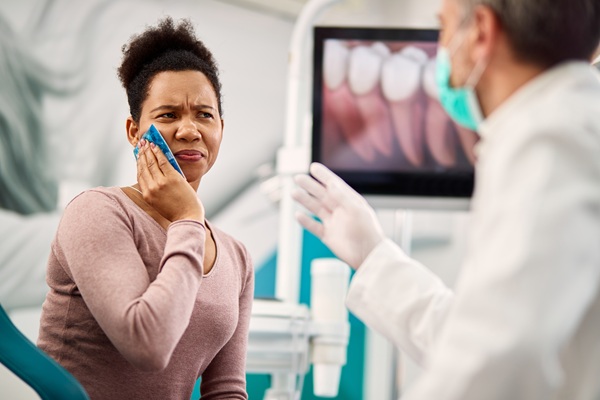
A broken tooth can affect both oral health and confidence. Whether caused by biting into something hard, an accident, or underlying decay, prompt dental care is essential to prevent further damage and restore normal function. Fortunately, modern dentistry provides several reliable treatments that repair structural damage and rebuild a natural-looking smile. A cosmetic, family, or general dentist can determine the best option based on the tooth’s location, the severity of the damage, and the long-term restoration goals.
Understanding the impact of a broken tooth
Even a small fracture can expose sensitive inner layers of a tooth, leading to pain, temperature sensitivity, or infection. Larger breaks may compromise the tooth’s structure, making it difficult to chew comfortably or smile confidently. Cracks that extend below the gumline can sometimes threaten the tooth’s viability, requiring more extensive care. Addressing the issue early helps preserve as much natural enamel as possible and prevents complications that may lead to tooth loss or infection of surrounding tissues.
Common causes and warning signs
A broken tooth may result from several factors, such as trauma from sports or accidents, chewing hard foods, or long-term wear from teeth grinding. Existing dental decay can also weaken enamel, increasing the risk of fracture. Warning signs often include sharp pain when biting, visible cracks, rough edges on a tooth, or swelling of nearby gums. Prompt evaluation allows a dentist to identify the underlying cause and recommend appropriate treatment to restore both appearance and function.
Treatment options for a broken tooth
Dentists offer several techniques to repair a broken tooth, depending on the extent of damage. Minor chips or surface cracks can often be addressed in a single visit, while deeper fractures may require multi-step restorations.
For minor fractures:
- Dental bonding uses tooth-colored resin to reshape and restore a chipped surface. The material blends with natural enamel and hardens quickly under a curing light, making it an efficient and cost-effective option.
- Tooth recontouring may smooth sharp edges if the damage is superficial and does not affect the tooth’s structure.
For moderate to severe damage:
- Dental crowns cover and protect a weakened tooth, preventing further breakage. Crowns are often made from porcelain or ceramic for durability and aesthetic appeal.
- Veneers may be used for front teeth when damage affects appearance more than structure—these thin porcelain shells bond to the front of the tooth for a seamless result.
- Root canal therapy may be required if the fracture exposes the tooth pulp. This procedure removes damaged tissue, seals the tooth, and prepares it for a crown, ensuring long-term stability.
Preserving the tooth and preventing future damage
After repairing a broken tooth, maintaining proper oral hygiene is crucial. Regular brushing, flossing, and professional cleanings help keep restored teeth strong and free of decay. Avoiding habits such as chewing ice or using teeth to open packages reduces the risk of future fractures. Patients who grind their teeth at night may benefit from a custom mouthguard to protect dental work and natural enamel. Dentists also emphasize regular checkups to monitor existing restorations and maintain oral health.
Regular fluoride treatments and dental sealants can further protect enamel and reduce the risk of decay around restored areas. For patients with large restorations or a history of fractures, periodic X-rays help the dentist identify hidden cracks before they worsen. Reinforcing daily care habits, such as using a soft-bristled toothbrush and fluoride toothpaste, supports long-term stability and helps preserve the results of any repair.
When tooth replacement becomes necessary
If a broken tooth cannot be saved, modern replacement options provide both functional and aesthetic solutions. Dental implants, bridges, or partial dentures can replace missing teeth while maintaining jaw alignment and bite strength. Implants, in particular, serve as long-term replacements that mimic natural tooth roots and support overall oral health. A dentist will discuss which restorative approach best meets each patient’s unique needs and goals.
Restoring comfort and confidence
Repairing a broken or fractured tooth is not only about restoring appearance but also about regaining full oral function. Comprehensive dental care focuses on rebuilding strength, preventing further injury, and achieving a natural look that blends seamlessly with surrounding teeth. With today’s advancements in materials and techniques, patients can expect durable, lifelike results that promote lasting confidence and comfort.
A skilled cosmetic, family, or general dentist helps patients overcome the challenges of a broken tooth through personalized treatment and preventive guidance. Addressing damage early ensures that every smile remains strong, healthy, and complete. For more information or to schedule an appointment, call our office.
To schedule a consultation, request an appointment on our website at https://www.oaktreefamilydental.com or call Oak Tree Dental at (703) 763-5239 for an appointment in our McLean office.
Check out what others are saying about our services on Yelp: Broken Tooth in McLean, VA.
Recent Posts
A chipped tooth can affect your smile's appearance and oral health, leading to discomfort, sensitivity, and self-esteem issues. Fortunately, there are several effective options to restore a tooth's natural look and strength. A variety of treatments are available, depending on the severity of the chip, its location, and your treatment goals.A chipped tooth can result…
Whether caused by an accident, biting on something hard, or untreated decay, quickly addressing a broken tooth can prevent further complications. With prompt attention, a dentist can restore form and function to a broken tooth. Dentists offer several treatment options to repair damage, protect the tooth, and maintain oral health, and understanding these options can…
A chipped tooth may seem like a minor issue, but it can lead to several complications if left untreated. By taking immediate action, you can prevent pain, preserve tooth structure, and reduce the risk of further damage. A general dentist can evaluate the extent of the chip and help restore the tooth to maintain a…
A broken tooth is a common dental issue that fills most people with dread, especially when the crack is near the front of the mouth. Front teeth fractures are quite common among children, teenagers, and young adults. Fortunately, a dentist can recommend various repair or replacement options for damaged front teeth to help patients resume…