Emergency Dental Visit Infection Control Procedures to Protect You During the COVID-19 Situation
Infection control has become the top priority all over the globe as the world battles the COVID-19 pandemic. The Centers for Disease Control has established new guidelines for healthcare providers and dentists to follow as they continue to provide services for patients with the most pressing needs.
The coronavirus is an airborne virus that is very contagious. It is primarily spread by infected airborne droplets making contact with a person's nose or mouth. It can also be spread by contamination since it survives on surfaces for up to 48 hours. The virus can be spread even when the carrier is pre-symptomatic or asymptomatic. The combination of all these things makes infection control a challenging feat.
Infection control measures implemented at dental practices
Here are some of the ways dentists are keeping their patients safe during the COVID-19 pandemic:
1. Emergency care only
One of the ways dentists can reduce their risk of being infected with COVID-19 is by limiting the number of patients coming to their practice. Most dental clinics are only treating patients with dental emergencies, like knocked-out teeth, infections, gum disease, broken teeth, loose teeth and excruciating toothaches.
Teledentistry services are now available for patients dealing with non-emergencies. Depending on the patient's problems, the dentist might be able to diagnose them and instruct them on how to address the problem. Limiting dental services to emergencies helps to protect both dentists and their patients.
2. Protective gear
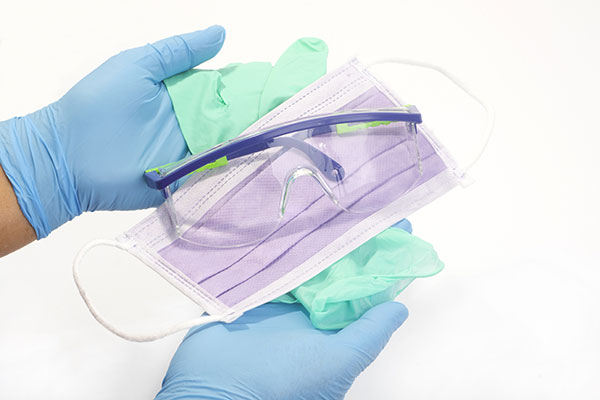
Dentists also use a variety of protective equipment to protect themselves and their staff when performing treatments. Face masks and shields can help to prevent contaminated droplets from getting on the dental worker's mouth and nose. It does not provide full protection against inhaling harmful airborne microorganisms, but it does provide some level of protection.
Using protective gear is particularly important for dentists since some of the tools used during treatments, like ultrasonic scalers, create aerosols that can be contaminated with the coronavirus.
3. Separating patients
Dentists are now scheduling appointments further apart to reduce the number of people at the clinic at any given time. Current social distancing guidelines recommend spacing people at least six feet apart from each other, and this is factored in when scheduling appointments.
Dentists are also giving their patients the option of checking in and waiting for the dentist in their car. This can provide an additional level of protection for patients.
4. Focus on infection control
Dental clinics have shared areas, like waiting rooms, which need to be regularly disinfected to prevent cross-contamination. Many dentists are cleaning these areas after every patient to protect themselves and their patients.
Sanitizing aids, like hand sanitizers, are available in such common areas so patients can sanitize their hands as needed. Keeping the hands clean remains one of the most effective ways to prevent infection.
Get dental care
Our Ashburn office remains open to people dealing with a dental emergency. Call us to find out of you need to come to the clinic.
Request an appointment here: https://www.oaktreedentalashburn.com or call Oak Tree Dental at (703) 945-1285 for an appointment in our Ashburn office.
Check out what others are saying about our services on Yelp: Read our Yelp reviews.
Recent Posts
Cosmetic dental services offer a range of treatments to help individuals enhance the appearance of their smiles and boost their overall self-confidence. While some of these procedures can be expensive, many patients consider them a valuable investment in their future oral health. The following article explores the benefits of cosmetic dental services and whether the…
When exploring cosmetic dental services, professional teeth whitening often stands out as a popular option for achieving a brighter smile. While over-the-counter products promise convenience, cosmetic dental services from a professional offer effective solutions tailored to individual needs. Understanding the differences between dentist procedures and over-the-counter whitening options helps patients make informed decisions about their…
Cosmetic dental services provide a wide range of modern solutions that brighten enamel, refine tooth shape, and align bite mechanics while preserving overall oral health. Selecting the right cosmetic dental services requires clear goals, professional guidance, and realistic expectations about maintenance. With thoughtful planning, every patient gains a radiant, balanced smile that elevates confidence during…
Cosmetic dental services aim to improve the appearance of the teeth while supporting overall oral health. One of the most sought-after options in this category is dental veneers, thanks to their ability to dramatically enhance the smile with minimal intervention. Veneers offer a long-lasting solution to a wide range of cosmetic concerns, making them a…