Periodontal Disease
Gingival Inflammation when left untreated may lead to periodontists and periodontal disease. Periodontal disease is gradual and progressive breakdown of supporting structures around the tooth and leading to tooth loss.
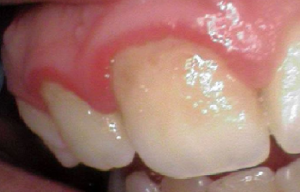
Causes
Bacterial Plaque and CalculusPathogenic bacteria present in calculus and plaque will produce toxins that will initiate body’s natural response to infection and starts to breakdown surrounding bone and connective tissue.
Risk Factors
- Smoking tobacco are:
- Twice more prone to get gum disease if you are a smoker
- Gum disease is directly proportional to number of cigarettes you smoke and the longer you smoke.
- Diabetes
- Drug Induced:
- Example: Phenytoin
- Calcium channel blocker (High Blood Pressure)
- Immune Suppressants
- Some diseases where the immune system is compromised:
Signs of Gum Disease
- Bad breath even after brushing and flossing
- Bleeding and swollen gums
- Teeth starting to appear longer
- More space between the teeth
- Sensitive teeth
- Food getting stuck and tender gums
If you notice any of the above signs or if you are due for six months recall appointment call our general dentist office at Oak Tree Dental and we will be glad to take care of you.
Treatment
Initial exam at Oak Tree Dental will be for consultation. The general dentist will take full mouth radiographs and will then evaluate your gums and provide you treatment recommendations and options.
- Regular Adult Prophylaxis
No periodontal disease and pocket depths are between 1-3 mm
- Deep cleaning or Scaling & Root planning
Mild to moderate periodontal disease. Pocket depths less than 6mm and more than 3mm.
Deep cleaning is followed by 3 months recall for the next 2-3 years or until gum condition improves.
- Surgical Treatment
Moderate to severe periodontal disease. Pocket depths are more than 6mm.