When Dentists Recommend Extra Dental Cleanings
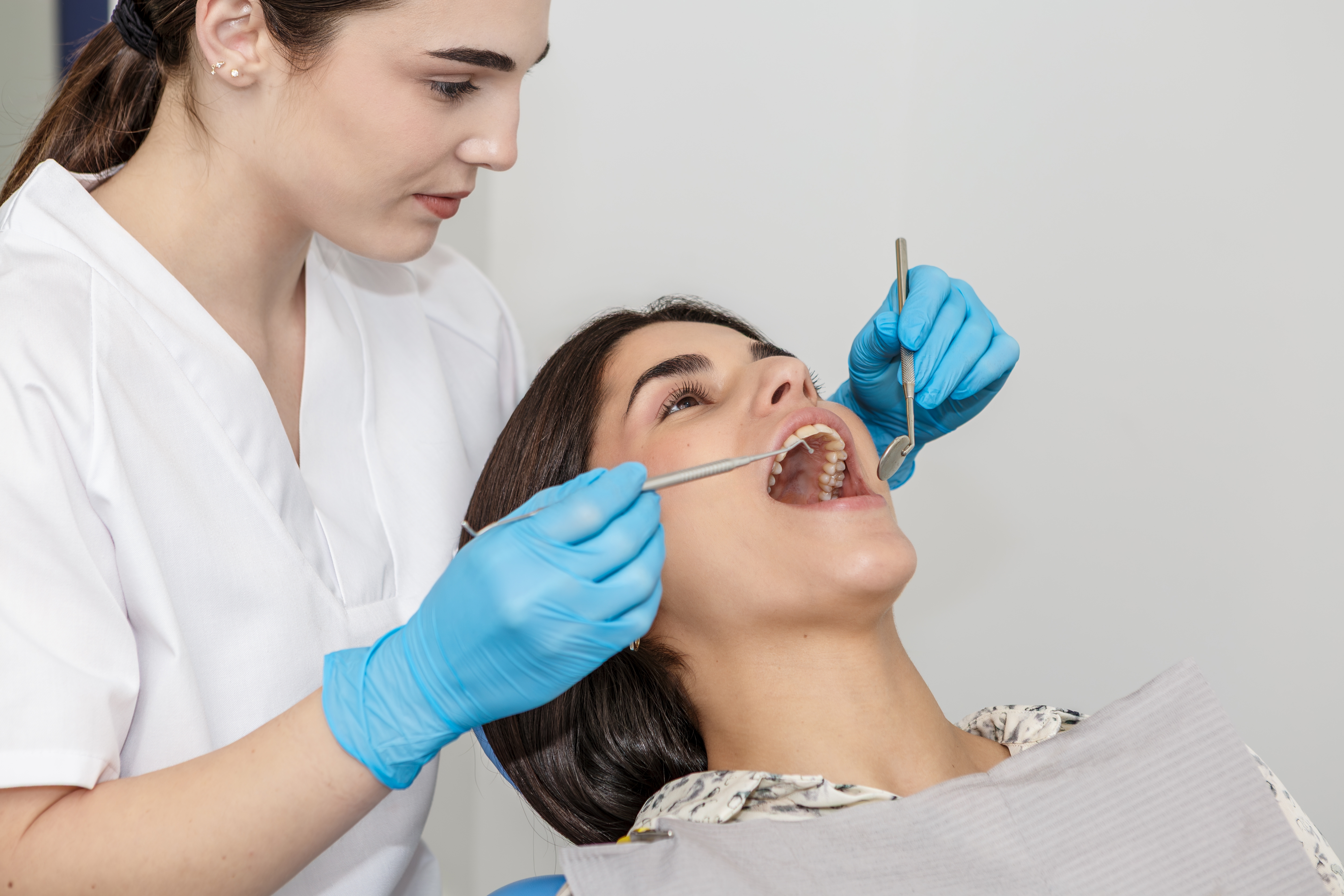
A routine dental cleaning plays a critical role in preventing cavities, gum disease, and other oral health concerns. In many cases, patients benefit from two dental cleaning appointments per year. However, certain individuals may require additional cleanings to maintain optimal oral health. A dentist may recommend more frequent visits based on risk factors, existing conditions, or personal oral hygiene habits.
Understanding the purpose of dental cleanings
A professional dental cleaning removes plaque, tartar, and bacteria that regular brushing and flossing cannot fully eliminate. These appointments include scaling, polishing, and an evaluation of gum and tooth health. Cleanings help prevent tooth decay and reduce inflammation, supporting both oral and overall health.
The standard recommendation for a dental cleaning every six months provides sufficient care for patients with healthy teeth and gums. However, this timeline is not appropriate for every individual. Certain patients require extra cleanings to manage conditions or reduce risk.
When extra dental cleanings are necessary
Several factors contribute to the need for additional dental cleanings throughout the year. These recommendations are tailored to the patient’s individual needs, ensuring early intervention and targeted prevention. Common factors include:
Gum disease or periodontal maintenance
Patients with a history of gingivitis or periodontal disease often require dental cleanings every three to four months. This schedule helps control bacterial growth, reduce inflammation, and prevent further progression of the disease. Periodontal maintenance cleanings are more thorough than standard cleanings and may include scaling and root planing to reach deeper areas below the gum line.
Orthodontic treatment
Braces, aligners, and other orthodontic appliances can trap food particles and make thorough at-home cleaning more difficult. Additional cleanings during orthodontic treatment help prevent plaque buildup around brackets or along the gum line. Regular hygiene appointments protect against demineralization, gingival irritation, and staining during treatment.
Patients with medical conditions
Patients with diabetes, heart disease, compromised immune systems, or a history of stroke may require more frequent cleanings. These conditions increase the risk of gum disease and infections. Regular dental care supports both oral and systemic health by controlling inflammation and bacterial levels in the mouth.
Smoking and tobacco use
Tobacco use contributes to a higher risk of gum disease, tooth discoloration, and oral cancer. Patients who smoke or use other forms of tobacco benefit from additional dental cleanings to remove stains, control bacteria, and monitor the health of soft tissues.
Pregnancy
Hormonal changes during pregnancy can lead to increased gum sensitivity, swelling, and bleeding. Pregnant patients often need to receive one or more additional dental cleanings to manage pregnancy-related gingivitis and reduce the risk of periodontal complications.
Receiving additional cleanings under these circumstances supports early detection, limits progression of disease, and helps maintain long-term oral health stability and comfort.
Benefits of more frequent cleanings
Extra dental cleanings provide targeted benefits for patients with increased risk or existing dental concerns. These benefits include:
- Better control of plaque and tartar buildup
- Reduced risk of cavities and periodontal disease
- Early detection of dental issues before they progress
- Support for medical conditions linked to oral health
- Improved gum health and fresh breath
Frequent dental cleanings also help preserve dental work such as crowns, bridges, or implants. Keeping the area around restorations clean ensures their longevity and function.
Customized recommendations for lifelong health
No single schedule fits every patient. A dentist evaluates the condition of the teeth, gums, and supporting structures to determine how often cleanings are needed. Diagnostic tools such as probing depths, gum recession measurements, and imaging help identify risk and guide treatment frequency.
Recommendations may change over time. A patient who completes successful periodontal therapy may transition to less frequent cleanings as stability improves. Alternatively, a patient who begins smoking or develops a health condition may require a more aggressive hygiene schedule.
Dentists emphasize that additional cleanings are not simply a preventative suggestion but a medically necessary measure in many cases. Personalized dental cleaning plans support a healthier mouth and reduce the need for more invasive procedures in the future.
Proactive care for a healthier smile
Receiving extra dental cleanings as recommended by a dentist provides long-term protection and peace of mind. By addressing risk factors and managing existing conditions early, patients can preserve their natural teeth and enjoy better oral health. A customized dental cleaning schedule is a vital part of preventive care and a key step toward a healthier, more confident smile. For more information or to schedule an appointment, call our office at (703) 763-5239.
To schedule a consultation, please request an appointment on our website at https://www.oaktreefamilydental.com or call Oak Tree Dental at (703) 763-5239 to arrange an appointment at our McLean office.
Check out what others are saying about our dental services on Yelp: Dental Cleaning and Examinations in McLean, VA.
Recent Posts
Professional dental cleanings are integral for keeping your mouth healthy. They remove plaque and tartar (hardened plaque) that regular brushing and flossing cannot, leaving your teeth and gums refreshed. Maintaining healthy habits that keep your smile bright and strong is essential to make the most of a dental cleaning. Caring for your teeth properly after…
Dental cleanings are one of the most important parts of maintaining good oral health, but few people know how often they should schedule them. It's important to know this information so that you can keep your smile healthy and strong well into the future.Most dentists will recommend going in for a dental cleaning every six…
Looking for more information about what a dental cleaning entails? Regular dental cleanings are an essential part of maintaining good oral health.While most people tend to make their regular dental appointments every year, there are some people who can visit the dentist less often and some who will need to visit more often, as everyone…
Having a routine dental cleaning twice a year is an essential part of keeping teeth and gums healthy. During a cleaning, tartar is removed from the patient's teeth, and that helps to prevent tooth decay. The removal of tartar also improves the appearance of the person's teeth.Tartar is the calcified plaque that hardens when left…